Ozer Family Museum · Key Figures · The Gargir Family
Yehoshua & Tzipora GargirA journey across lands and generations
From the bazaars of Izmir and a dramatic voyage to Haifa, through agricultural work, military service and a new home in Aminadav. A family story preserved in photographs, documents and personal testimony.
From an Izmir childhood to a new life in Palestine
Yehoshua Gargir was born in 1916 into a Sephardic Jewish family in Izmir, Turkey. His life took him across borders, through hiding places, agricultural work and community defense, service in the British Army, marriage and, ultimately, a permanent home in Aminadav near Jerusalem.
His father, Reuven Bechor Gargir, worked as a merchant, while his mother, Clara Gargir, was a seamstress. Yehoshua grew up in Izmir’s bazaar neighborhood and attended an Alliance Israélite Universelle school. The languages and education of his childhood later formed part of the resourcefulness that helped him on his journey.
His future wife, Tzipora, was born in the Land of Israel in 1918 to an Ashkenazi family of Eastern European origin with roots in Hebron’s long-established Ashkenazi community. Their two life stories would converge in Netanya on the eve of the Second World War.
1933 · Immigration journey
Through Syria, Lebanon and the Mediterranean
After several attempts, Yehoshua set out in 1933, aged approximately 16–17, with a group of friends determined to reach the Land of Israel without immigration certificates. They traveled through Syria and Lebanon, evading Turkish border controls, local authorities and the British forces governing Mandatory Palestine. His parents and siblings emigrated from Turkey many years later.
In Beirut, the local Jewish community sheltered the young travelers in a synagogue and a school. Members of the community, including the synagogue’s caretaker, also supplied food. During one excursion into the street, Yehoshua was detained; according to his life story, he spent a short period assigned to the French Foreign Legion.
He remained in contact with organizers of clandestine immigration in Beirut. Groups of 15–20 people were assembled and guided either over the mountains or by sea, with local smugglers paid to assist. Yehoshua’s group traveled by boat from Beirut to Sidon and then toward Haifa.
From Stella Maris to safety ashore — a clandestine journey that reached its dramatic climax off Haifa.
Near Stella Maris, the boat was spotted by British guards. In the family account, the passengers ended up in the water and made their way to shore, escaping the soldiers. They continued to Tel Aviv, initially hiding in caves. Yehoshua’s 1999 oral testimony adds details about the experience and his lifelong fear of water.
1935–1939 · Agriculture and security
Mikveh Israel and the valley settlements
In 1935–1936, Yehoshua lived at the Mikveh Israel agricultural school, working in farming and security. These years introduced him to agricultural life under the British Mandate.
From 1936 he took on guard duties in Jewish settlements. He spent roughly six months in Kfar Yehezkel and also worked in Kfar Baruch and Kfar Yehoshua. According to the original family biography, the guard work was financed through funds described as the settlement’s “kofer” levy.
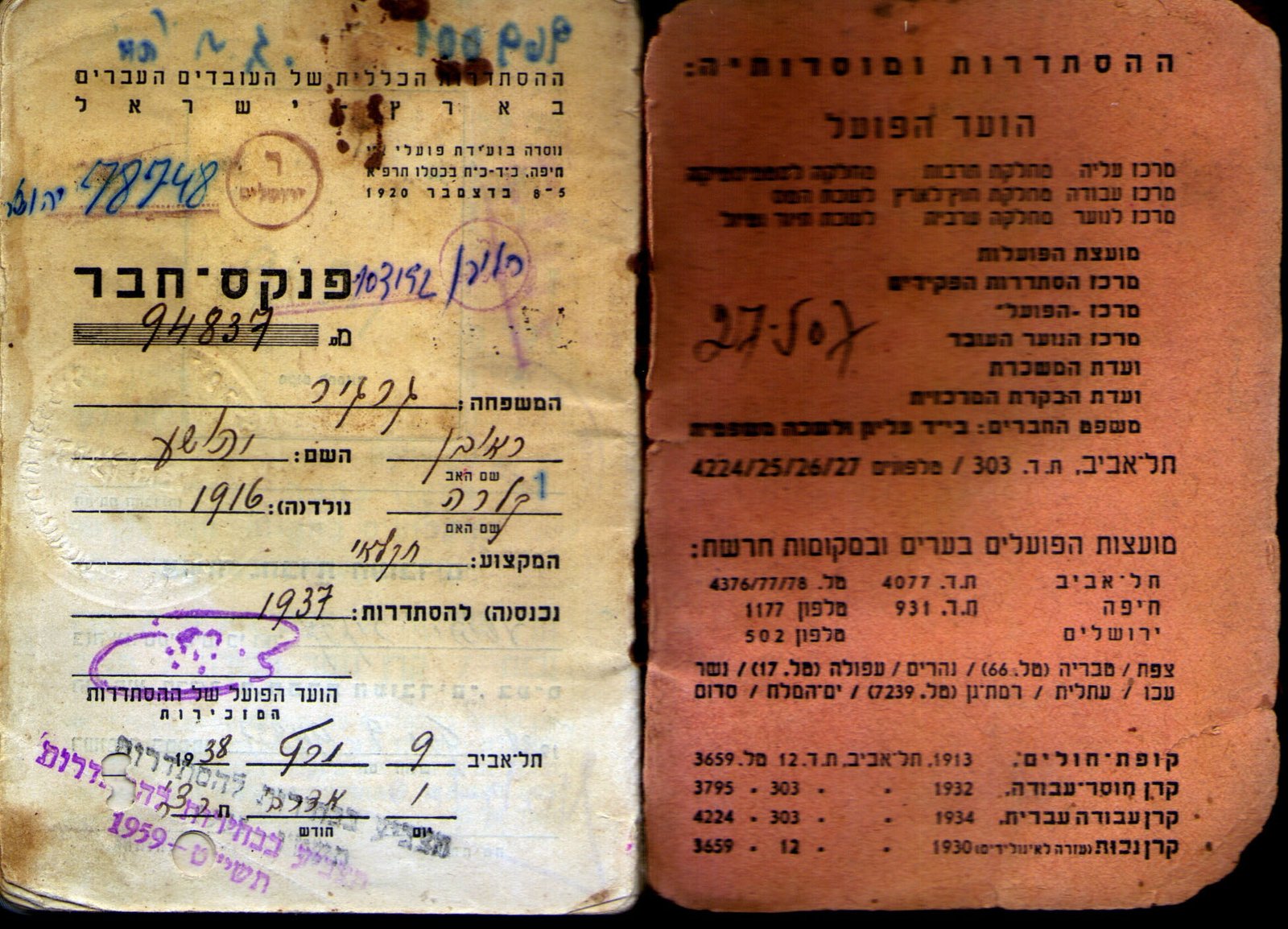
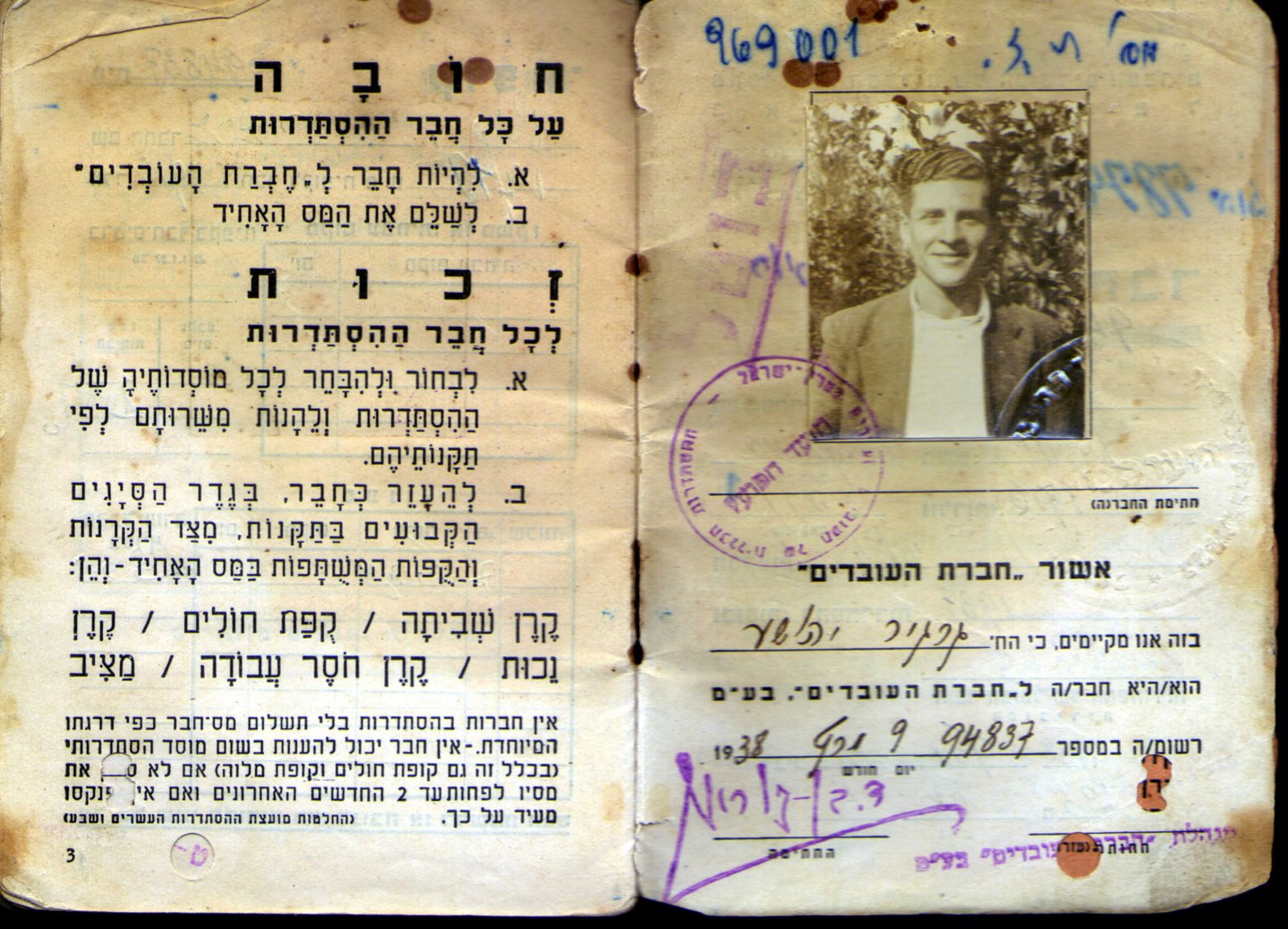
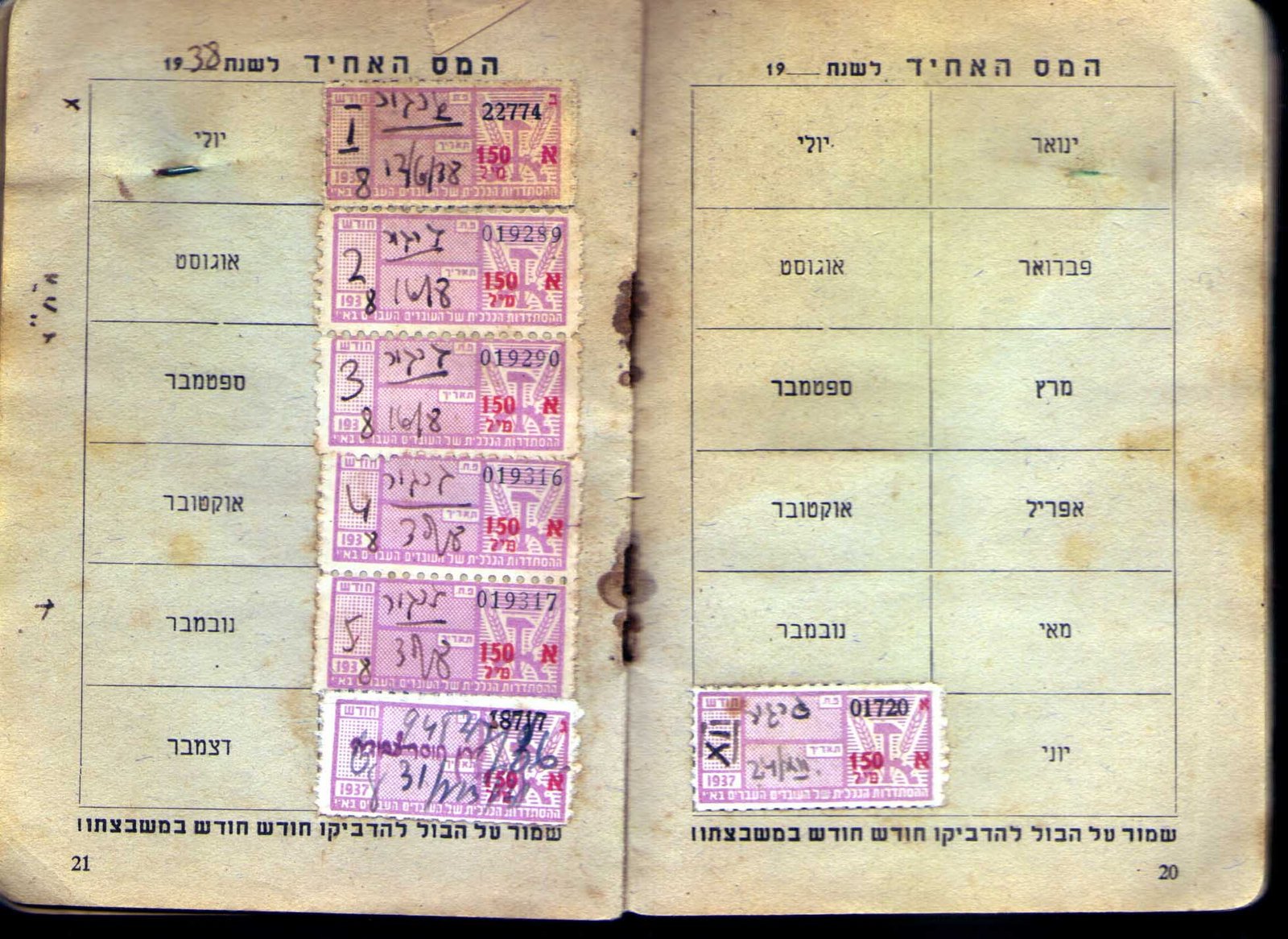
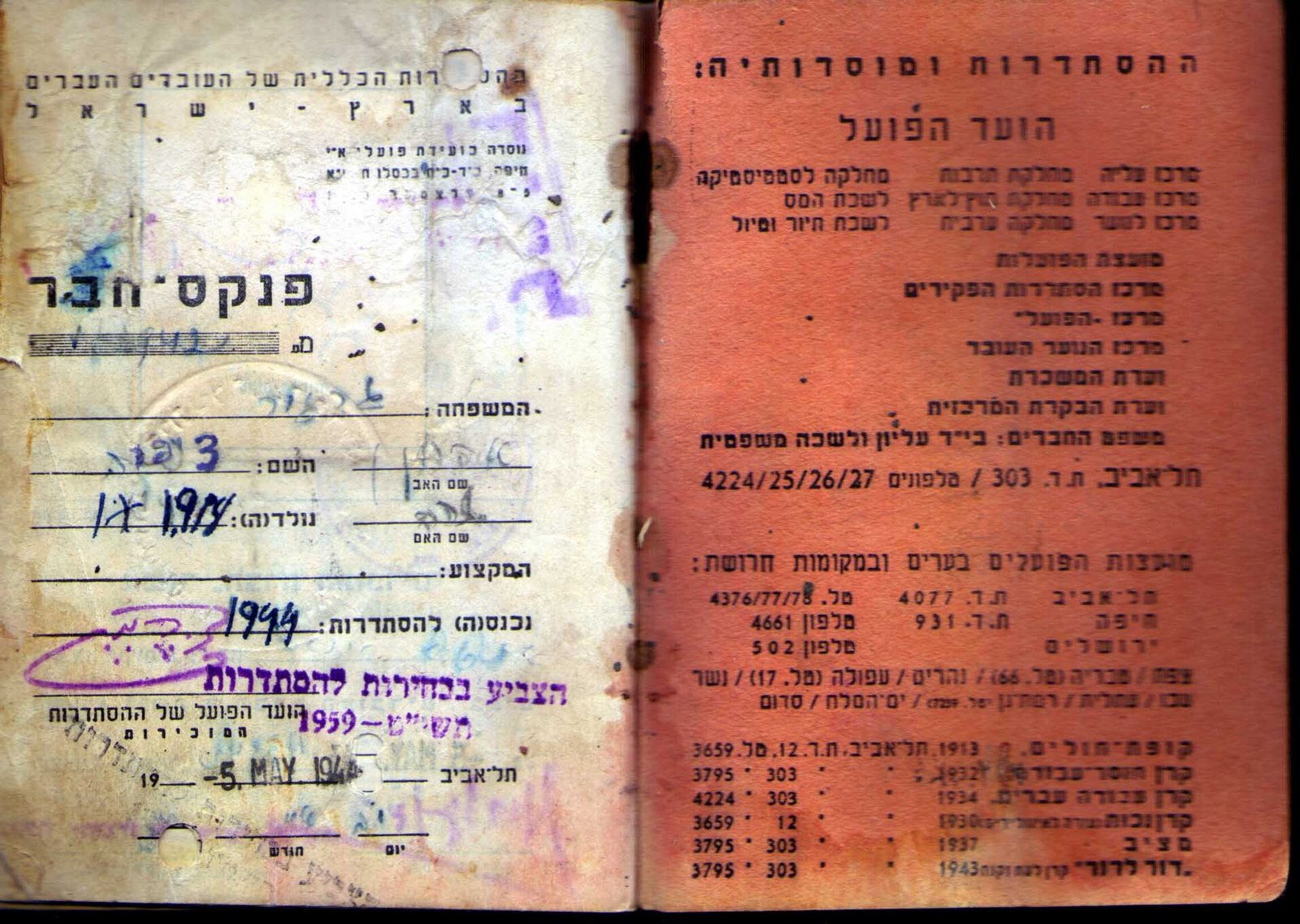
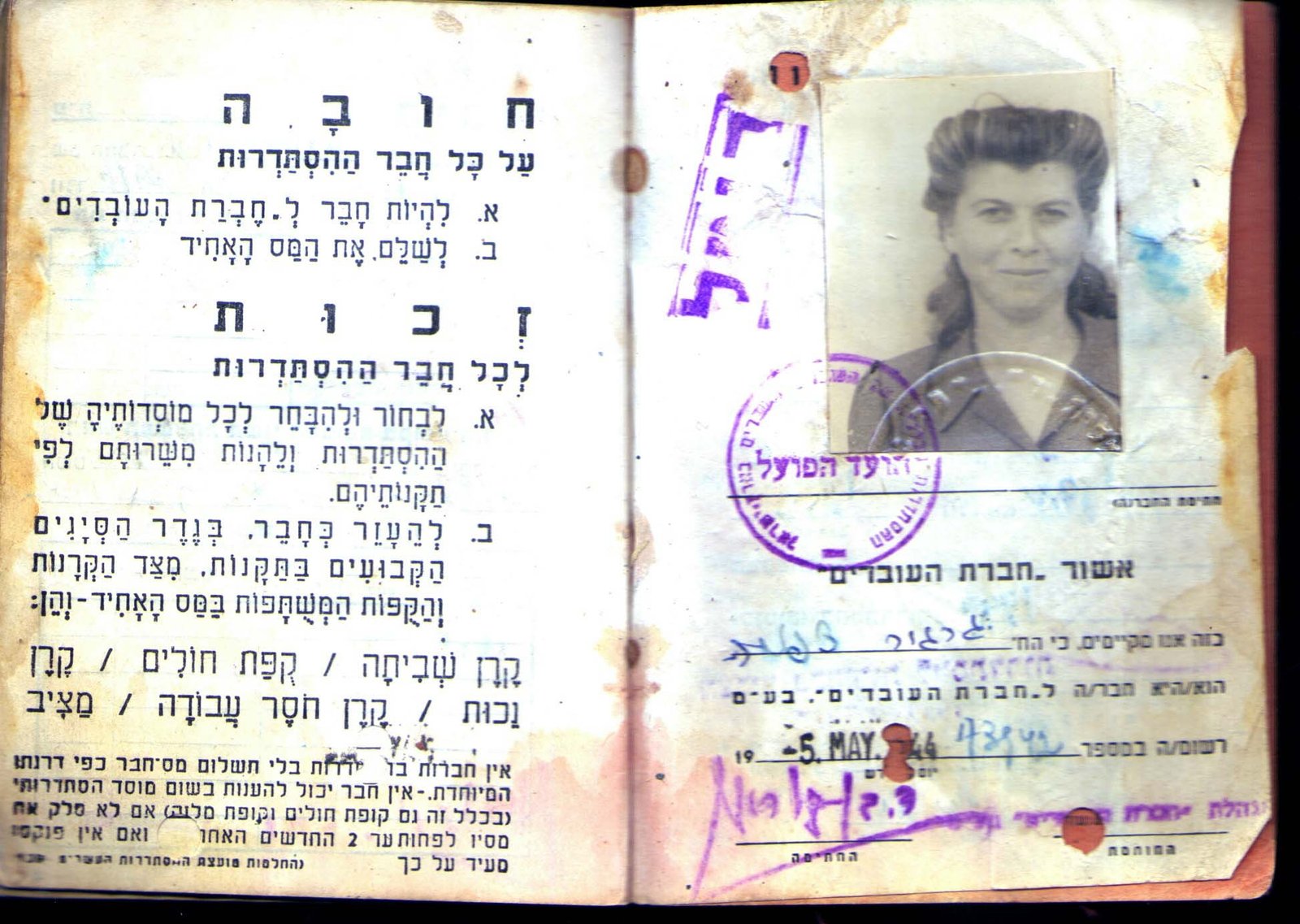
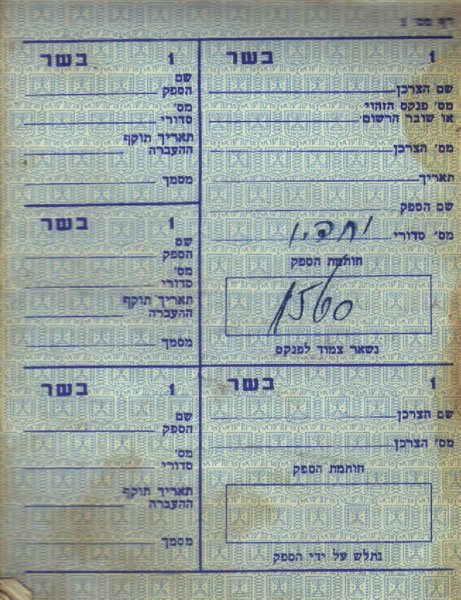
The family archive also preserves Histadrut membership booklets belonging to both Yehoshua and Tzipora. Known colloquially as the “red booklet,” they record the payment of membership dues through stamps affixed to the pages. These modest documents offer a direct glimpse into everyday work and institutions of the pre-state community.
1939–c. 1946 · Marriage and military service
Tzipora, the British Army and the Haganah
Yehoshua met Tzipora in Netanya in 1939. They married about a year later and began their married life in the Shapira neighborhood of Tel Aviv.
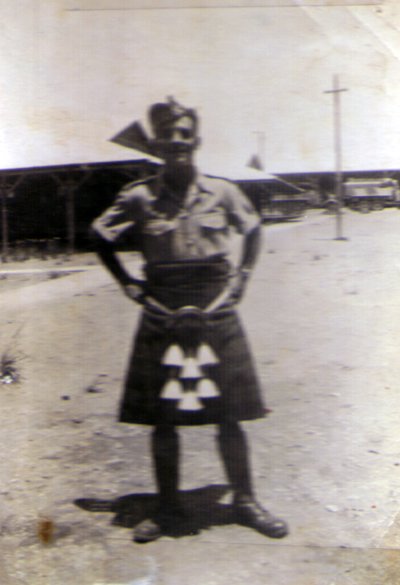
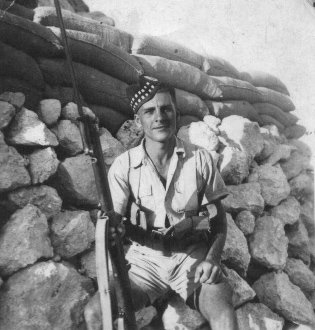
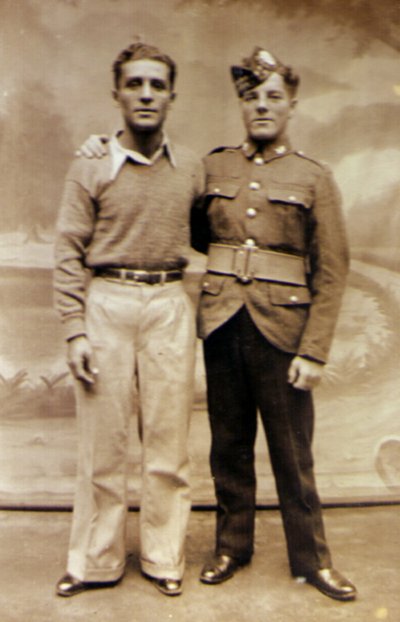
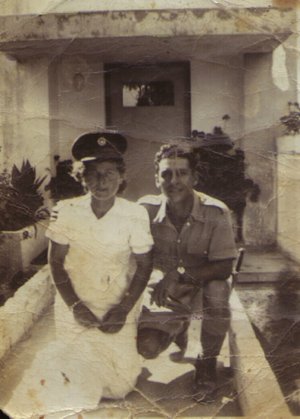
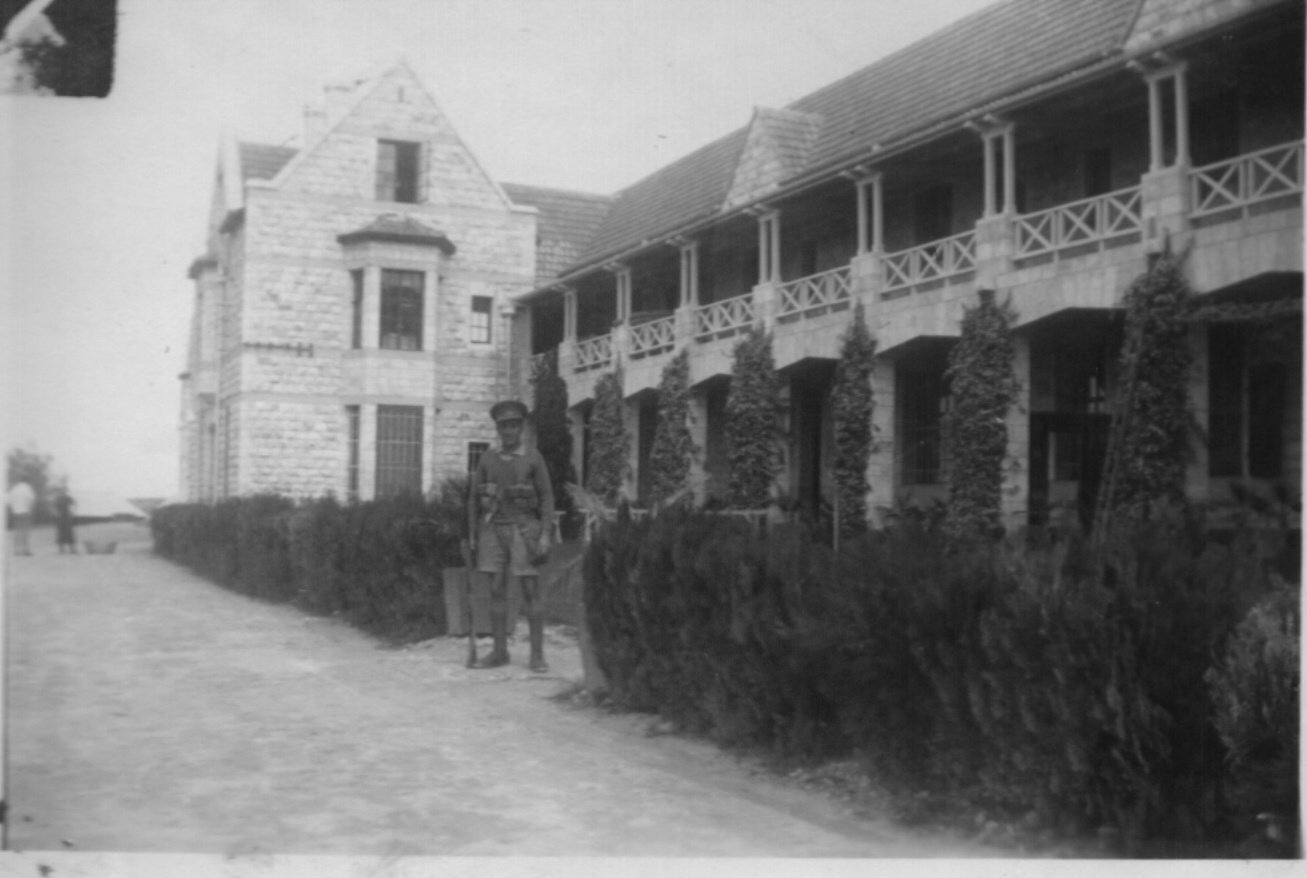
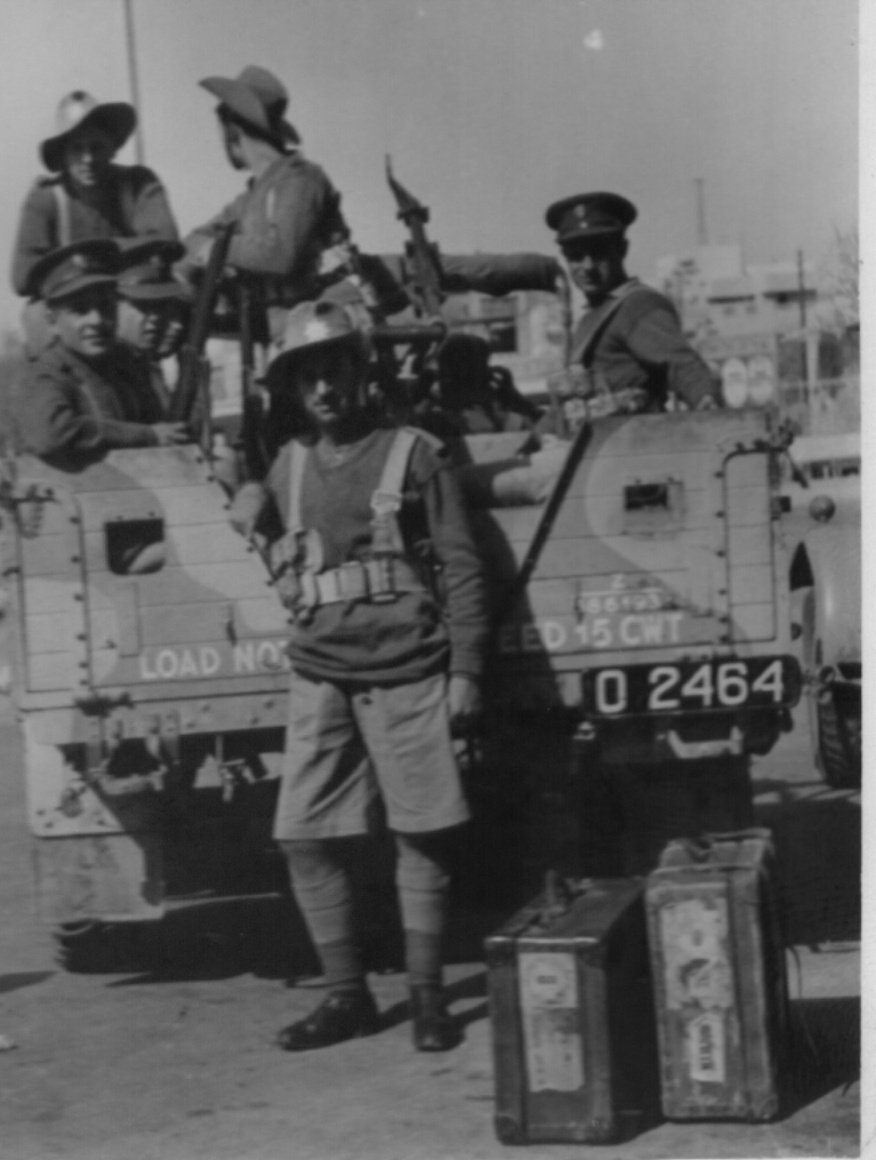
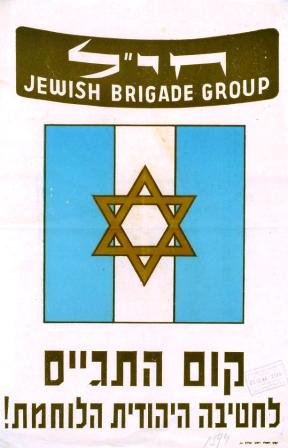
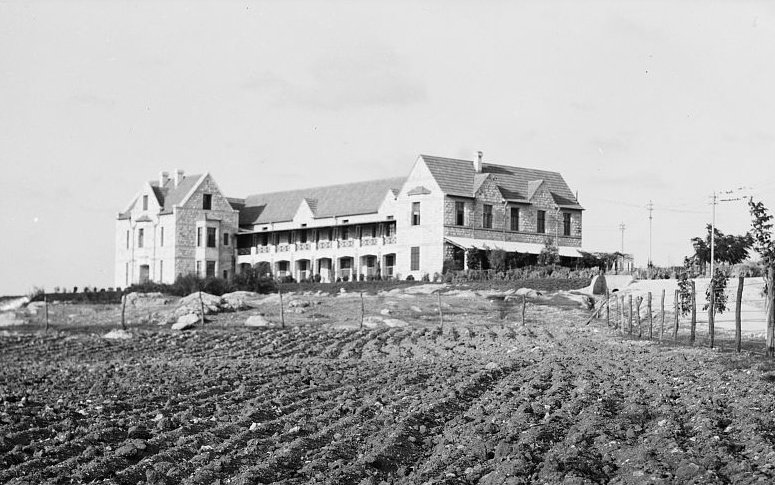
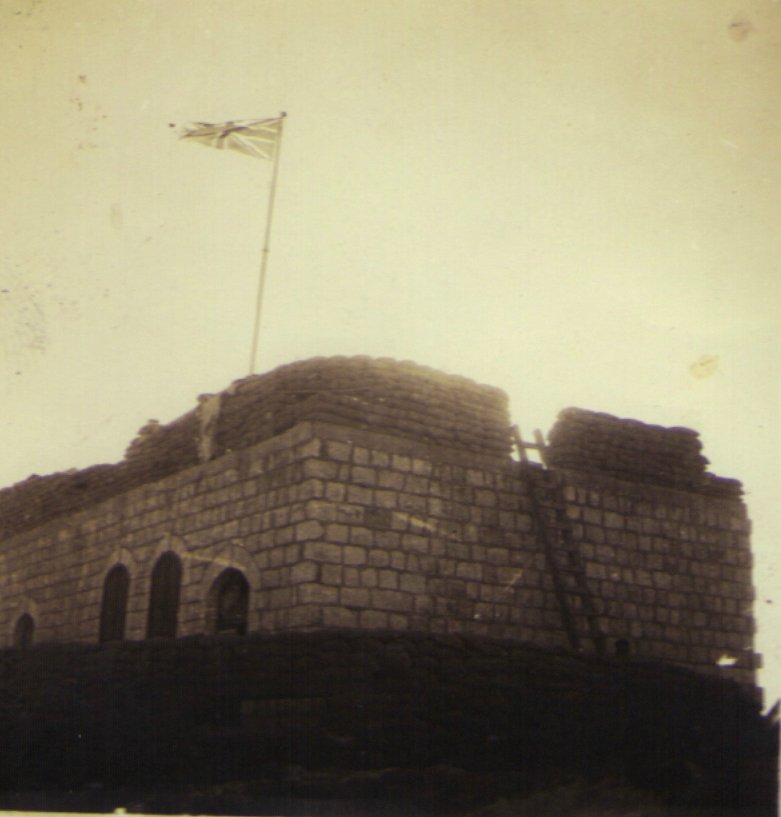
According to the family biography, Yehoshua began British Army service in 1940, serving for approximately six and a half years. The places associated with his service include Sarafand, Tulkarm, the Kadoorie Agricultural School and Baka al-Gharbiyye. Archival photographs show him in the uniform of a Scottish unit, with fellow servicemen, and at a fortified British position. Although the original family account connects his service with the Jewish Brigade, that formation was formally established only in September 1944; it should therefore be distinguished from his earlier British Army service.
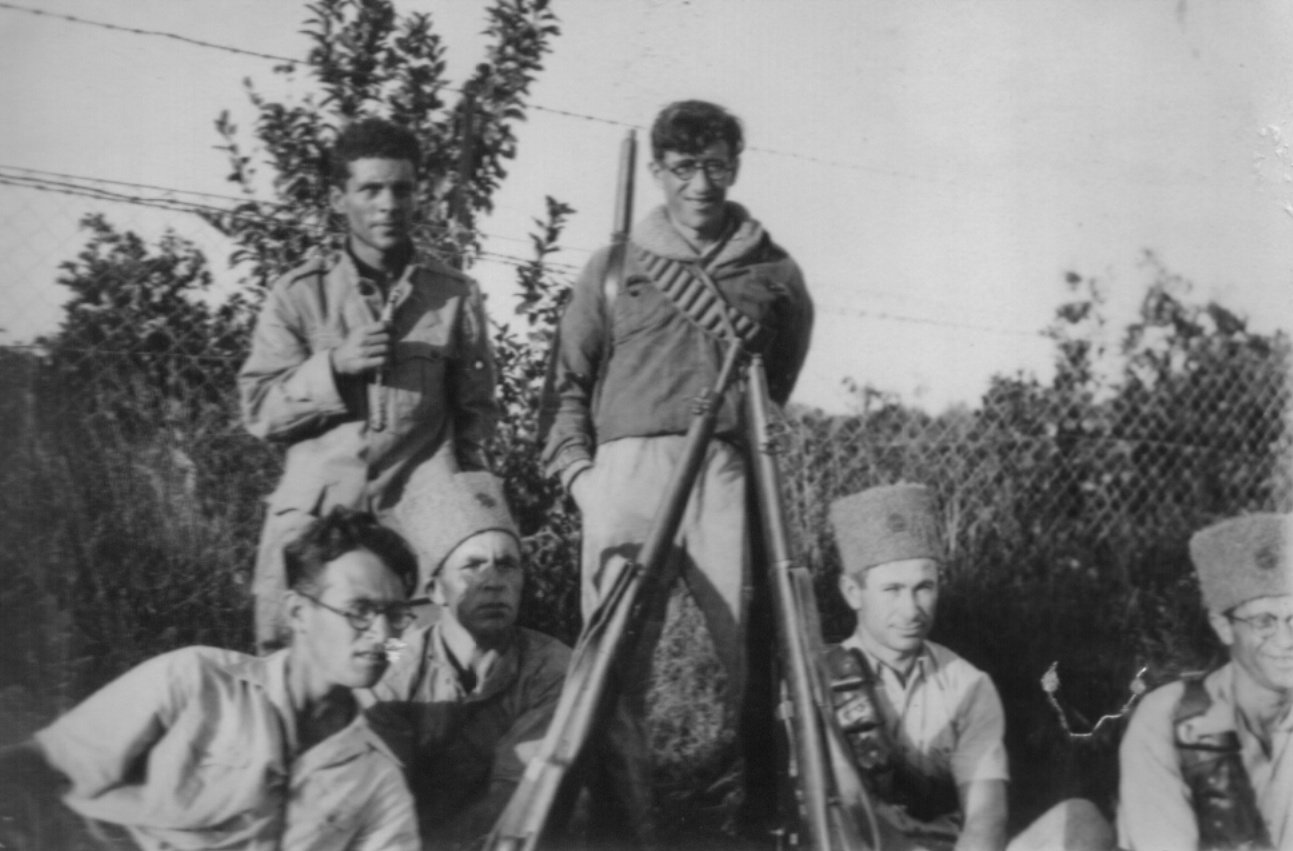
The family account also records his involvement in the Haganah. In 1942, he reportedly commanded a defense position in Magdiel. A surviving photograph shows him alongside the team under his command.
1940–1957 · Making a home
From Beit Halevi to Givat Haim and Aminadav
During the early married years, Yehoshua and Tzipora moved between different communities. They lived for about three years in Beit Halevi, but financial hardship — including the deaths of their cow and mare — forced them to leave. They then moved to Kibbutz Givat Haim, where they lived for about another three years.
In 1957, the couple and their children relocated to Moshav Aminadav near Jerusalem as part of the “From the City to the Village” initiative. Aminadav became their permanent home.
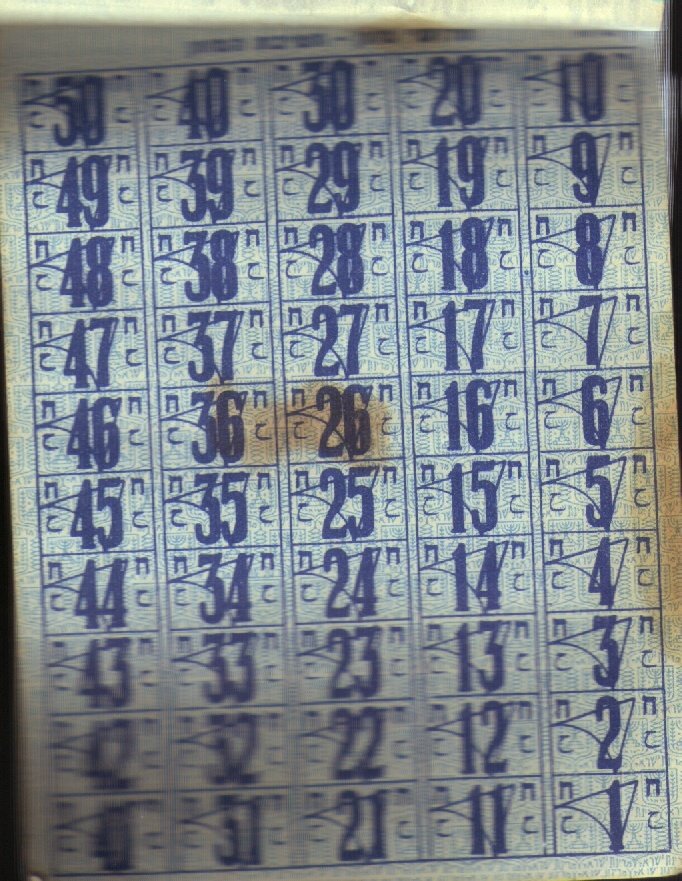
The family also lived through Israel’s austerity and rationing period of 1949–1959. Several pages of their family food-ration booklet survive, offering tangible evidence of everyday life in the state’s early years.
Milestones
Yehoshua and Tzipora: a timeline
Yehoshua is born in Izmir to Reuven Bechor and Clara Gargir.
Tzipora is born in the Land of Israel to a family with roots in Hebron.
Yehoshua reaches Palestine via Syria, Lebanon and Haifa.
Agricultural and guard work at Mikveh Israel.
Begins guard work in the valley settlements.
Meets Tzipora, marries her, and lives in Tel Aviv’s Shapira neighborhood.
Beginning of his British Army service, according to the family record.
Reported Haganah position commander in Magdiel; Geula is born.
Ruti is born.
The family settles in Aminadav.
Tzipora dies.
Yehoshua dies.
Photographic archive
Faces, places and memories
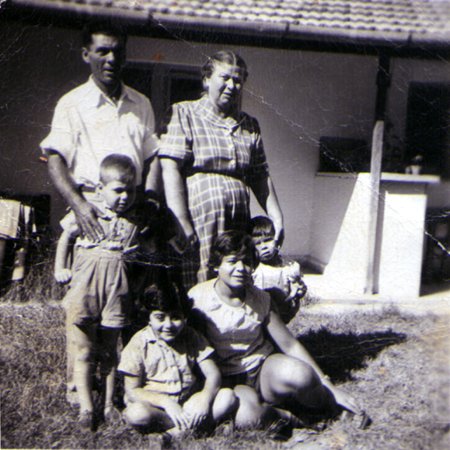
These photographs appeared in the original Gargir family page. Some show Yehoshua, Tzipora and their children; others document the places where Yehoshua worked and served.
The Histadrut booklets of Yehoshua and Tzipora, membership-dues stamps and family food-ration pages offer a particularly personal look at the institutions and daily routines that shaped their lives.
Select any photograph or document to open the full-size archival image. Files are served from the existing family museum archive.
Family branches
Their children and descendants
Yehoshua and Tzipora had four children: Geula (1942), Ruti (1948), Reuven and Aharon. The original archive identifies their spouses and subsequent generations. Names are retained from the family record, without adding any information absent from that source.
Geula Gargir — the Boyder family
Geula (born 1942) married David Boyder (בויידר) in 1964. Their children are Yosef (Yossi), Rachel, Eyal and Boaz.
Yossi married Mirit Baggio (מירית באג׳יו); their children are Omer and Yoav.
Eyal married Ganit Ben-Gal; their daughters are Shelly and Maya.
Boaz married Ilanit Batash; their children are Eden and Gili.
Ruti Gargir — the Ozer family
Ruti (born 1948) married Yigal Ozer. Their children are Yehuda (Udi), Lior, Gilad and Itamar.
Udi and Iti — their children are Ori, Liron and Ariel.
Lior married Michal Shmulevitz; their children are Yoav, Shir and Naor.
Itamar married Lisayon (ליסיון); their children are Liad, Gal and Amit.
Reuven Gargir — family and descendants
The late Reuven married Miriam Abu. Their children are Amit, Ayelet, Dana, Sivan and Yotam.
Amit married Hani Mishli; their children are Haim Amram, Tohar-Esther and Tahel.
Ayelet married Dudi Mizrahi; their children are Michael, Shira, Noa, Odiya, Ori-Yosef and Reut.
Dana married Uzi Adika; their children are Hodiya, Tehila, Tamar and Maayan.
Sivan married Robert Istrata; their daughter is Uma.
Yotam married Liat Kabbala.
Aharon Gargir — family and descendants
Aharon married Yehudit Babo. Their children are Shai and Elad.
Elad married Lir; their children are Noam and Ella.
Remembrance
The end of a journey — and its legacy
Tzipora Gargir died in October 1995, and Yehoshua Gargir died in 2001. Both were buried in the cemetery at Givat Shaul, Jerusalem.
This edited biography is based on the original family archive and personal testimony. Photographs and documents link to their original files on the museum website.